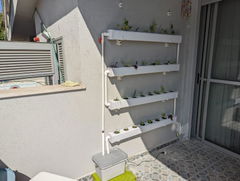
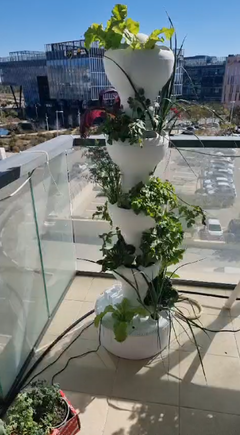
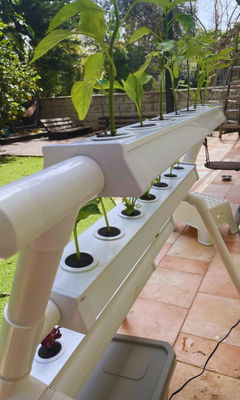
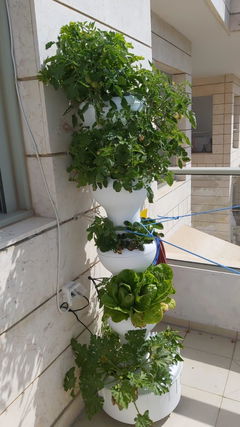
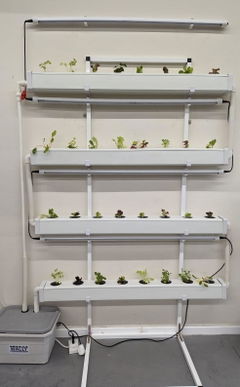
Five buckets, one strong frame.
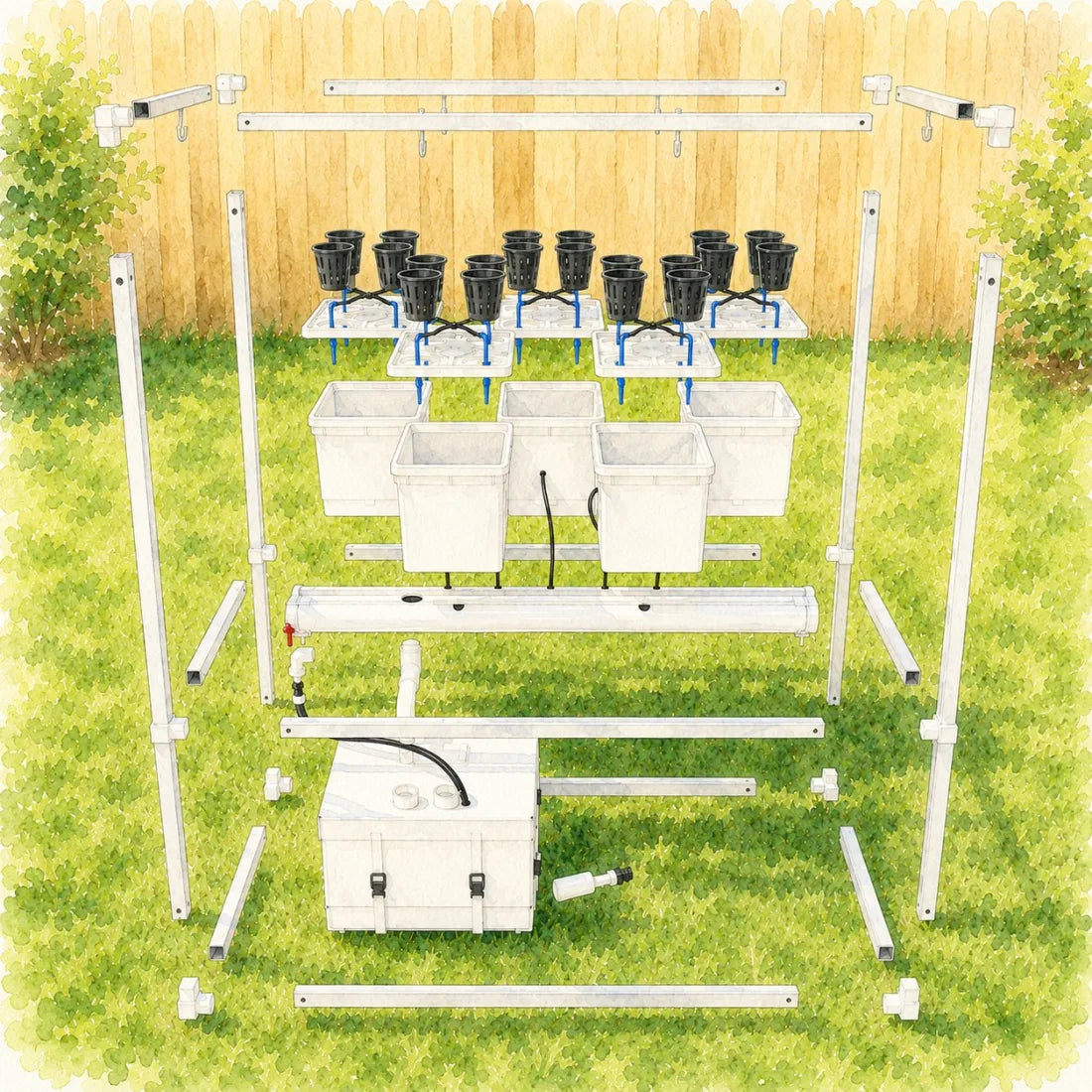
Five 11-liter Dutch Buckets on a rust-resistant aluminum frame with overhead hooks for heavy climbers. A recirculating reservoir, pump, and drip feed them, with two lid options per bucket.
Tobato Smart · Dutch Bucket Growing Station
The Dutch Bucket method professional growers trust. Guided from seed to harvest.

A professional growing method for big crops, made simple to run.
Tobato Smart is a five-bucket Dutch Bucket system, the same method commercial growers use for tomatoes, peppers, cucumbers, and other large fruiting crops. A tall aluminum frame with hooks along the top lets you tie and train climbing plants however suits them; a recirculating reservoir feeds the roots. Run it as five large plants, up to twenty smaller ones, or any mix in between.
It assembles in about thirty minutes, one person, with the tools in the box. Week to week the system asks for a few minutes: top up the water, check the nutrient and pH levels. The plants ask for more as they grow, and that is where most people growing fruiting crops get stuck.
Which is the point of Vegardi. It guides you through the parts that trip growers up around month three, when to trellis, when to prune, how to help fruit set, so the hard stage is just the next step. The pump keeps its own schedule, flags you the moment anything goes wrong, and lets you shift the watering cycles as the plants grow. The growing itself stays yours, and the app makes sure you always know the next move.
Pre-orderShips September 2026
Pre-order · Ships September 2026
You're charged today; ships September 2026. Cancel anytime before it ships.
Assembled: 163.5 cm (H) × 121 cm (W) × 61 cm (D). Floor footprint: 121 × 61 cm, about the size of a small console table. Leave 20 – 30 cm of clearance on each side for airflow and access.
The 40-liter insulated reservoir sits at the base of the frame, beneath the buckets. Shipping weight is 16.85 kg, and it arrives in a single carton.
The aluminum frame with overhead hooks for tying up climbing plants, five 11-liter Dutch Buckets, two interchangeable lids per bucket (one large opening or four small), the 40-liter reservoir, the DC pump and transformer, the full drip circuit, and a float valve for optional auto-refill.
Plus the sprouting kit, the smart plug, four practical booklets, and 12 months of Vegardi Premium. Assembly tools are included. Growing media, seeds, and nutrients are not, so you choose your own.
A level outdoor spot, patio, rooftop, deck, or yard, with at least three hours of direct sun a day; six or more is better for fruiting crops. A standard power outlet within reach (the pump draws very little).
The smart plug needs Wi-Fi (2.4 GHz) to talk to the app for live, remote control. The pump itself keeps running the schedule you set, even without a connection.
Optional: connect the float valve to a tap and the reservoir tops up on its own. Indoor growing is possible too, with grow lighting strong enough for fruiting plants.
First pre-order shipments begin September 2026.
A 30-day return window applies from delivery. Read the shipping & returns policy
Every Tobato Smart is covered by a two-year limited warranty.
What you unbox
Five 11-liter Dutch Buckets on a rust-resistant aluminum frame with overhead hooks for heavy climbers. A recirculating reservoir, pump, and drip feed them, with two lid options per bucket.
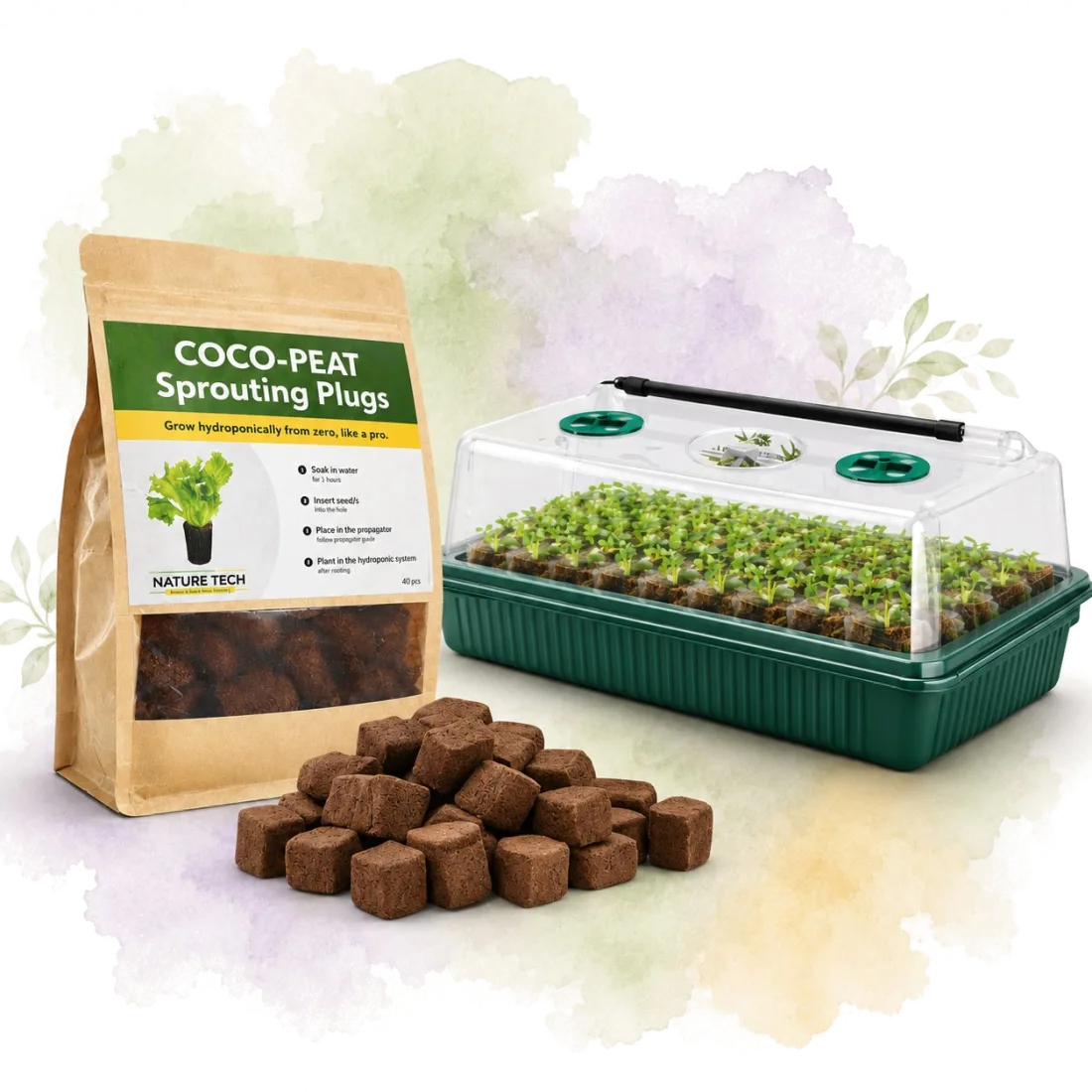
A propagator tray with forty sites, peat plugs, seed markers, and LED grow lights on a timer. Raise healthy seedlings indoors while the season warms up.

Crop-specific guidance from seed to harvest, trellising, pollination and pruning included, tuned to your plants, your space, and your season.
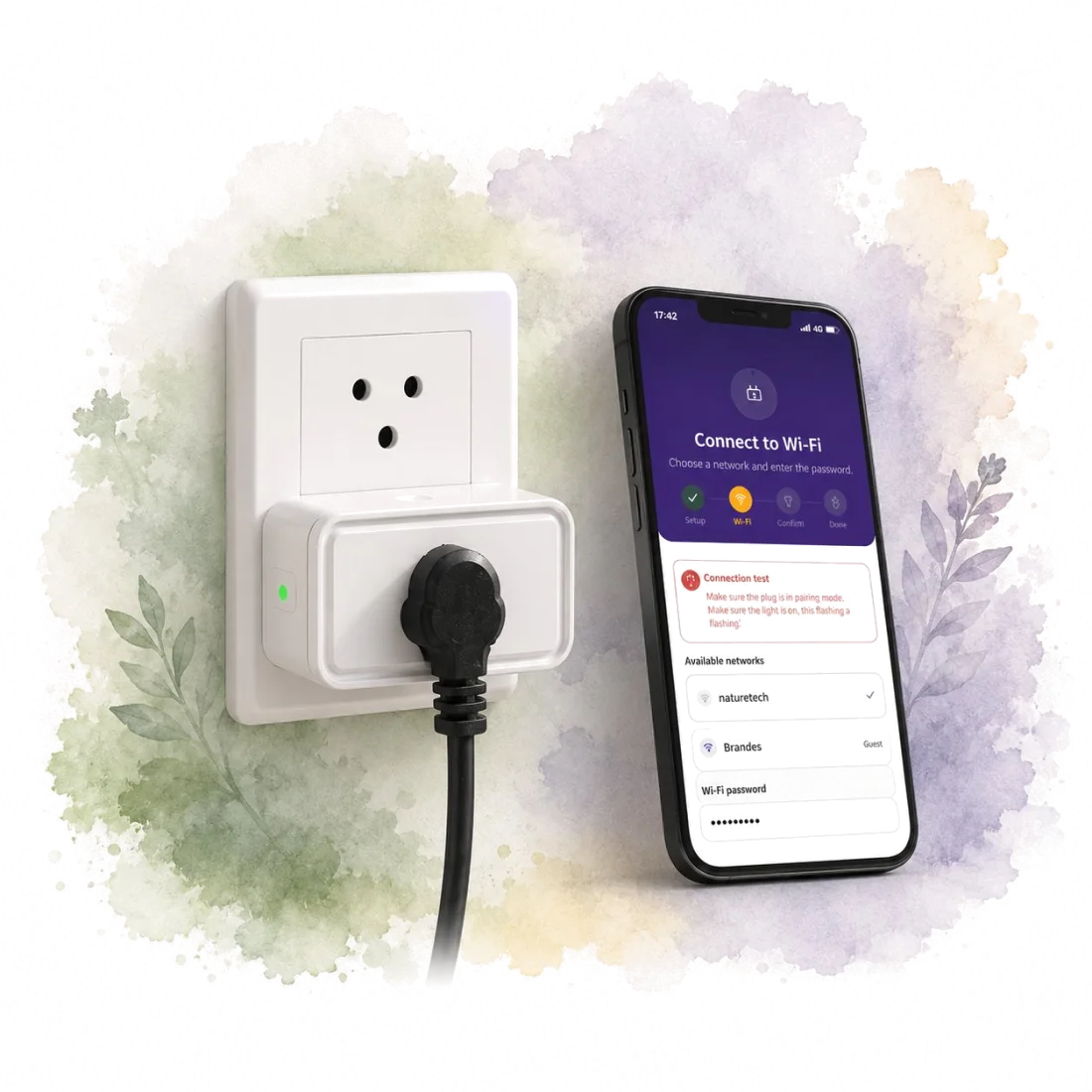
Connects the pump to Vegardi so you can set and adjust watering cycles as plants grow, and get an alert the moment it stops.
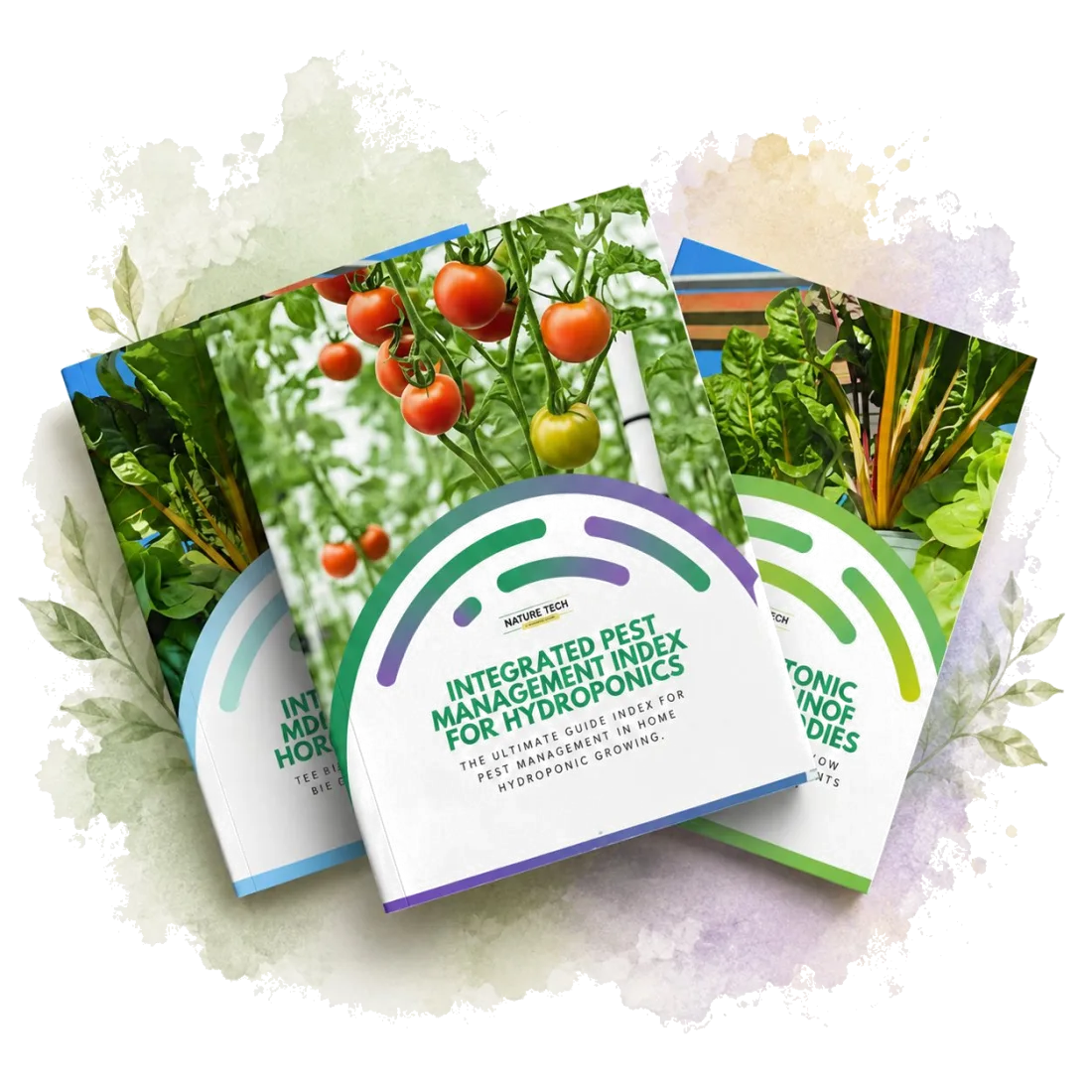
Assembly, hydroponic maintenance, an edible-plants encyclopedia, and pest and deficiency management. The references you reach for when a question comes up.

The Dutch Bucket method
The roots get room to grow. The feed recirculates around the clock, or on a timer you set. The rest is growing. That part stays yours, and Vegardi guides you on exactly what to do, how, and when.
What the system handles
What you handle
Made for the long season
The frame
A tall, powder-coated aluminum frame that stands up to a season of heavy, climbing growth. Overhead hooks let you tie and train each plant the way it grows.
The buckets
Five deep, food-grade buckets, 11 liters each, with two lids apiece so every bucket grows what you decide. Built to be planted, emptied, and planted again.
The reservoir
An insulated 40-liter reservoir holds the feed steady through a hot day and folds flat between seasons. A built-in port takes the float valve for hands-off refills.
Crop range
Deep buckets, a tall frame, and room to climb, made for tomatoes, cucumbers, peppers, and squash, not just greens. The full range, out in the open air.
Set up · Grow · Harvest
Step 01
Frame, buckets, and reservoir fit together with the mallet and screwdriver in the box. No drilling, no wall, no second pair of hands. Pick a sunny spot and it's standing.
~30 min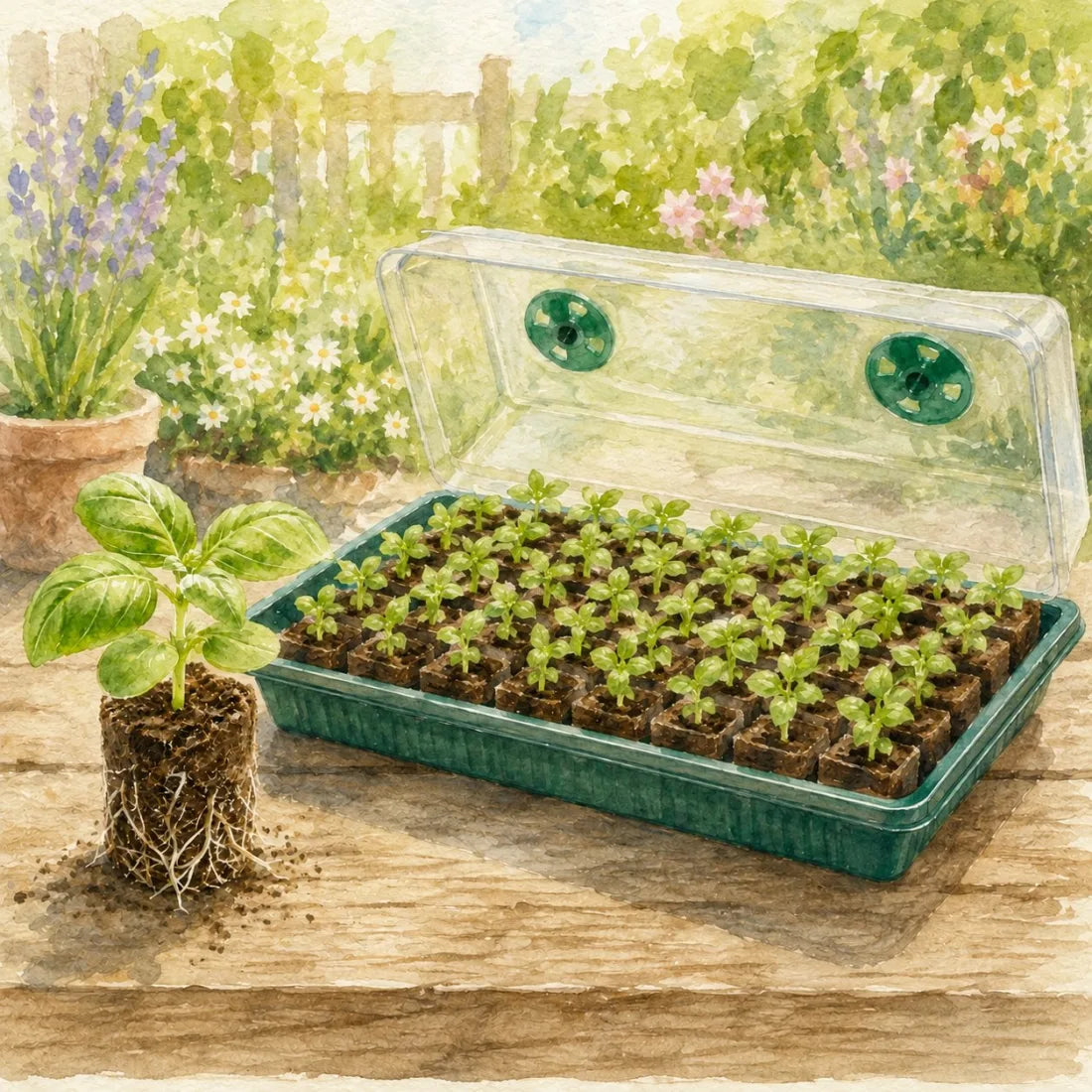
Step 02
Sow seeds in the propagator under its grow light, or bring in seedlings you already have. Either way, you begin with strong roots before they reach a bucket.
~10 min to sow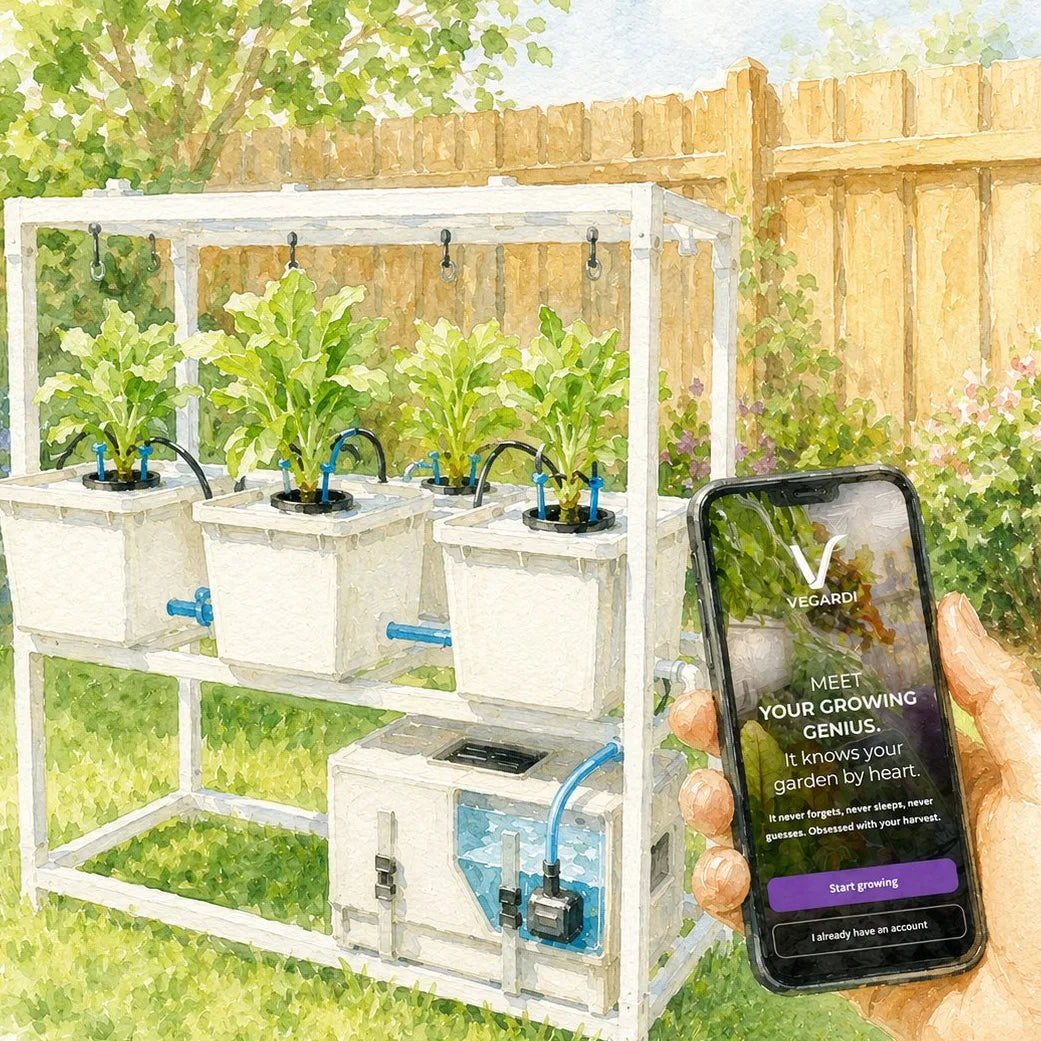
Step 03
Set each plant in its bucket, one big crop per lid or four smaller ones. Fill the reservoir, plug into the smart plug, and the feed starts flowing. Log the plants in Vegardi and it takes the season from there.
~20 min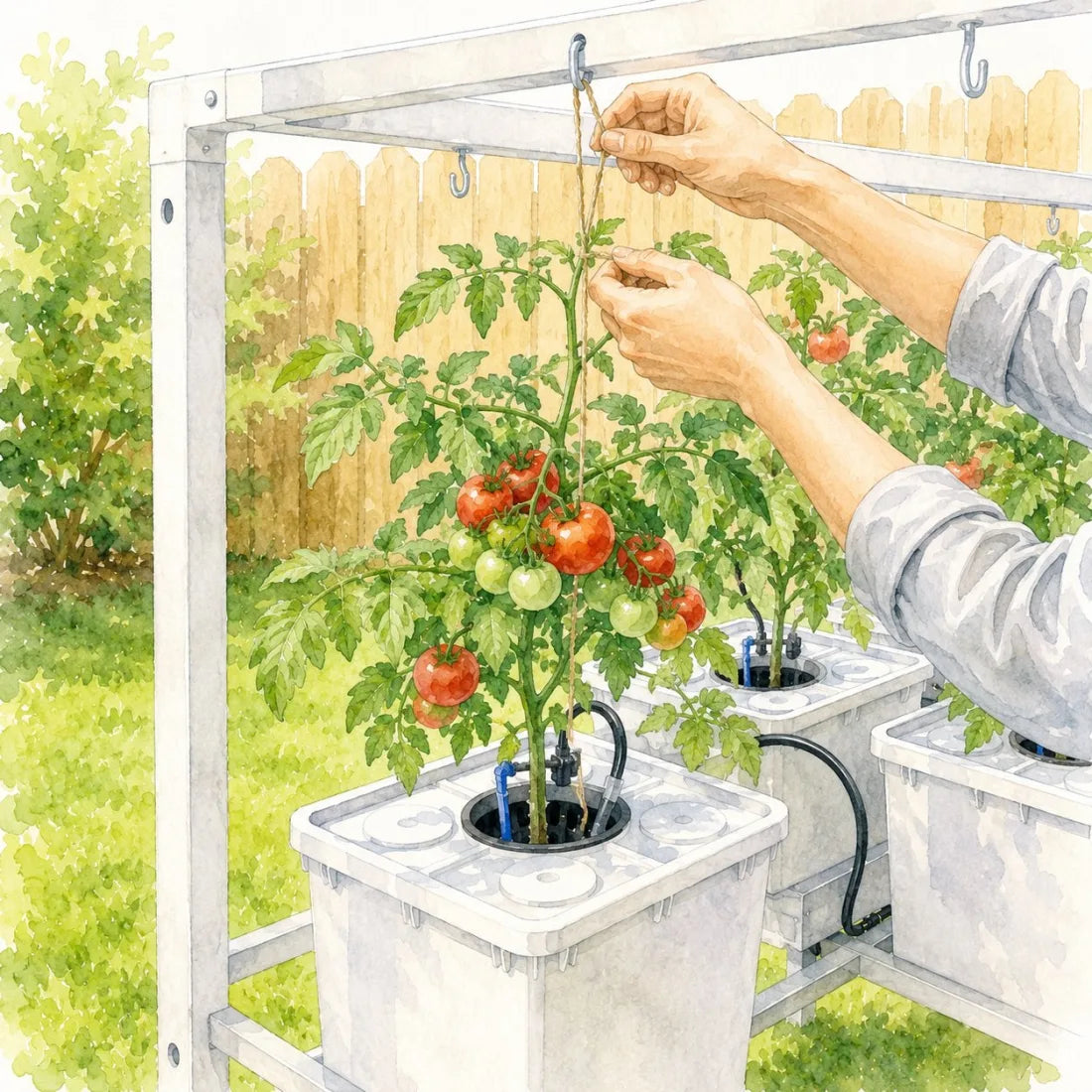
Step 04
As the plants climb, tie them to the hooks and give them sun and air. Once a week, top up the water and check the mix. Vegardi tells you what to do, and when.
~15 min / week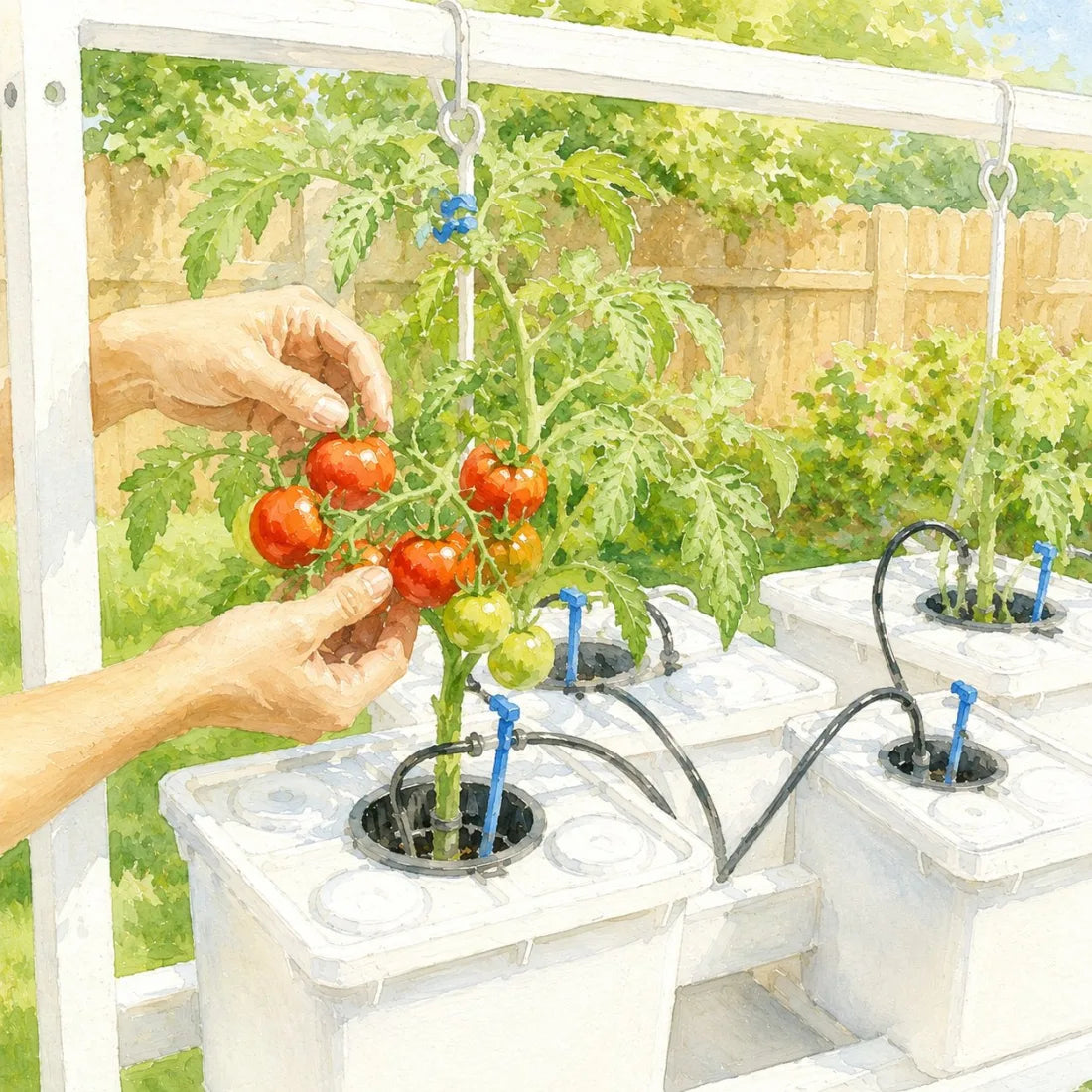
Step 05
When the first tomatoes blush and the cucumbers fill out, pick them at their peak. The plants keep giving for months, and when a crop is spent, you start the next one.
First harvest in 6–12 weeksOne system, many gardens
Each of the five buckets takes one of two lids, so you can set Tobato up for exactly what you're after, then change your mind next season.

1 or 4
plants per bucket
One wide opening (4″) for a single big plant, or four small ones for compact crops. Your call, bucket by bucket.

5–20
plants in all
Five large producers, twenty smaller ones, or any mix across the row. That range is yours to set.

Optional
growing media
Root your plants in clay pebbles, or grow without. Either way works in the same bucket.
Tomatoes this season, strawberries the next. Nothing here is fixed.
Before you start
Required
Sun or grow lights
3+ hours direct sun outdoors, or grow lighting indoors
A power outlet
For the pump, within reach of the reservoir
Water to fill it
For the 40-liter reservoir
Optional
Wi-Fi + smartphone
For live alerts and remote control
A water tap nearby
For hands-off auto-refill
What you can grow
From tomatoes and peppers to the greens and herbs you reach for daily. Vegardi walks you through each one, from first seed to first harvest.

~7 weeks

~7 weeks

~11 weeks

~11 weeks

~9 weeks

~6 weeks

~11 weeks

~9 weeks

~11 weeks

~9 weeks

~6 weeks

~10 weeks

~17 weeks

~14 weeks

~13 weeks

~9 weeks

~7 weeks

~7 weeks

~13 weeks

~13 weeks

~7 weeks

~13 weeks

~13 weeks

~13 weeks

~11 weeks

~6 weeks

~12 weeks

~12 weeks

~11 weeks

~11 weeks

~8 weeks

~14 weeks

~13 weeks

~8 weeks

~6 weeks

~6 weeks

~12 weeks

~14 weeks

~10 weeks

~10 weeks

~6 weeks

~7 weeks

~13 weeks

~9 weeks

~10 weeks

~6 weeks

~7 weeks

~11 weeks

~9 weeks

~11 weeks

~8 weeks

~13 weeks

~21 weeks

~11 weeks

~10 weeks

~9 weeks

~10 weeks

~9 weeks

~14 weeks

~10 weeks

~6 weeks

~13 weeks

~10 weeks

~6 weeks

~14 weeks

~9 weeks

~12 weeks

~15 weeks

~11 weeks

~6 weeks

~10 weeks

~10 weeks

~7 weeks

~8 weeks

~11 weeks

~13 weeks

~10 weeks

~9 weeks

~11 weeks

~10 weeks

~5 weeks

~9 weeks

~13 weeks

~10 weeks

~14 weeks

~6 weeks

~10 weeks

~10 weeks

~9 weeks

~9 weeks

~9 weeks

~5 weeks

~6 weeks

~8 weeks
Honest answers
No. The method is the system's job. Yours is the growing, and Vegardi gives you the week's tasks for the exact crops you planted. You learn the method by using it, not by studying it first.
That stage, usually around month three, is the real test with fruiting crops, and it's where Vegardi earns its keep. It tells you when to trellis, when to prune, and how to help the flowers set fruit, one step at a time.
You won't be guessing at the hardest part.
About 15 minutes a week on the system: top up the water and check the nutrient mix and pH. The plants ask for more hands-on time as they grow, training and harvesting, and the app paces that for you.
It's built for a sunny outdoor spot, a patio, roof, deck, or yard, with at least three hours of direct sun a day; six or more is better for fruiting crops.
Indoors works too, as long as you add grow lighting strong enough for fruiting plants.
Growing media, seeds, and nutrients are not included, so you can choose your own. Everything else is: the frame, five buckets, reservoir, pump, full drip circuit, float valve, smart plug, sprouting kit, booklets, and 12 months of Vegardi Premium.
Send Vegardi a photo and it identifies the problem, drawing on expertise across 160+ pests, diseases, and deficiencies, then walks you through what to do about it.
About 30 minutes for one person, using the mallet and screwdriver in the box. No drilling and no wall fixing, just a level spot to stand it on.
Still on the fence? Reserve now.
Reserve Your Tobato